
The Road to Recovery – Navigating Short-Term Rehab After Surgery
Recovering from surgery is a journey—and for many individuals, short-term rehabilitation plays a critical role in getting back to everyday life safely and confidently. Whether following a joint replacement, cardiac procedure, or another major surgery, understanding what to expect from short-term rehab can help patients and families feel more prepared and empowered.
What is short-term rehab—and who needs it?
Short term rehabilitation is a structured, medically supervised program designed to help individuals recover strength, mobility, and independence after surgery, illness, or injury. It typically takes place in a specialized rehabilitation center or skilled nursing facility. Patients who benefit most from short-term rehab are those who are not yet ready to return home safely. This may include individuals who need physical therapy to address mobility needs, occupational therapy to relearn daily tasks, or skilled nursing care for wound management or medication monitoring. For many, rehab serves as a bridge between the hospital and home—ensuring recovery progresses in a safe, supportive environment.
How long does short-term rehab typically last?
The length of stay in short-term rehab varies depending on the individual’s condition, type of surgery, and overall health. On average, stays range from one to four weeks. Some patients recovering from more complex procedures or complications may require a longer stay, while others may progress more quickly and return home sooner. Care teams regularly assess progress and adjust the length of stay accordingly. The goal is always the same: to help patients regain as much independence as possible before transitioning home.
What does a typical day in rehab look like?
A structured daily routine is a hallmark of short-term rehab. Each day is designed to promote healing, build strength, and restore function. Patients typically begin their day with assistance from nursing staff, followed by scheduled therapy sessions. Most programs include physical therapy to improve strength and mobility, and occupational therapy to help patients manage daily activities like dressing, bathing, and meal preparation. Therapy sessions can occur multiple times a day, depending on the patient’s needs and tolerance. In between sessions, patients may rest, participate in light wellness activities, or receive additional care such as pain management, medication administration, and nutritional support. Meals are provided, and many facilities, like RiverSpring Living’s Hauser Rehabilitation Center, incorporate social opportunities to encourage engagement and emotional well-being—an often overlooked but essential part of recovery.
How do you evaluate and choose a rehab facility?
Choosing the right rehab facility can make a meaningful difference in recovery outcomes. Families should consider several key factors when evaluating options:
- Clinical expertise: Look for a facility with experienced therapists, skilled nursing staff, and a strong track record in post-surgical recovery.
- Therapy intensity: Ask how often therapy is provided and whether programs are tailored to individual needs.
- Physician oversight: Access to medical professionals and specialists is important for monitoring recovery and addressing any complications. At the Hauser Rehabilitation Center, we have medical services seven days a week, including NewYork-Presbyterian physicians on-site working with our patients five days a week.
- Environment and amenities: A comfortable, clean, and welcoming setting can positively impact both physical and emotional recovery.
- Care coordination: Facilities, like ours, that communicate clearly with hospitals, physicians, and families help ensure a smoother recovery journey. We are the preferred partner of many health systems.
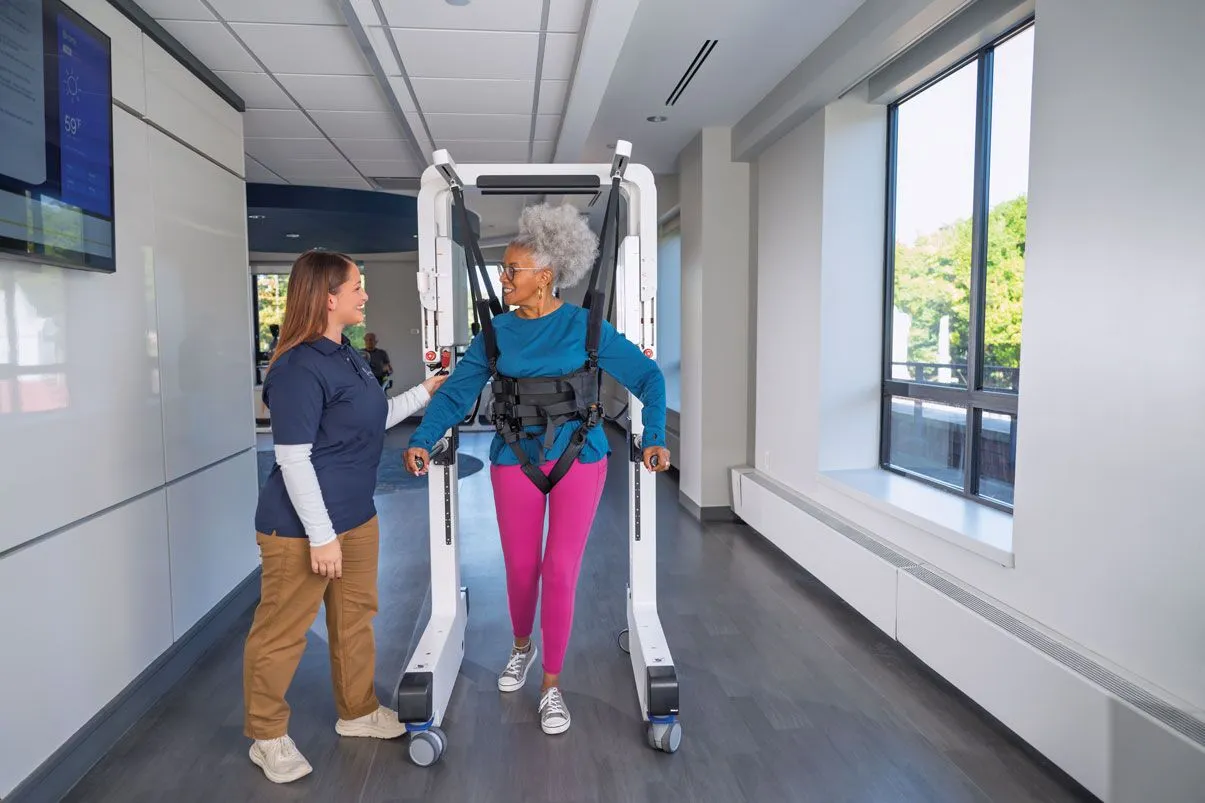
- Rehabilitation technology: Advanced equipment can also make a difference in recovery. Hauser Rehabilitation Center uses the ZeroG Gait and Balance Training System, which supports patients’ body weight during walking practice to reduce fall risk, and the C-Mill virtual reality treadmill, which combines an instrumented treadmill with biofeedback and augmented reality to deliver personalized, task-based gait training in a controlled environment.
- Reputation and outcomes: Reviews, recommendations, and quality ratings can offer valuable insights. Patients at the Hauser Rehabilitation Center, for example, are 24% less likely to return to the hospital. Additionally, 70% of patients at discharge meet or exceed expected recovery, compared to 54% nationally.
Visiting the facility, if possible, and speaking directly with staff can also provide reassurance and clarity during the decision-making process.
Does Medicare cover short-term rehab?
In many cases, Medicare does provide coverage for short-term rehabilitation, but certain criteria must be met. Typically, Medicare Part A covers care in a skilled nursing facility following a qualifying hospital stay of at least three days. Coverage often includes a limited number of days at full or partial cost, depending on the length of stay. It’s important for patients and families to understand the specifics of their coverage, including any co-pays or out-of-pocket costs after a certain period. Because policies and eligibility requirements can vary, speaking with a care coordinator or insurance specialist can help clarify benefits and avoid unexpected expenses.
What happens after rehab—and how do you transition home?
The transition from rehab to home is a significant step in the recovery process. Discharge planning typically begins early in the rehab stay and involves a multidisciplinary team working together to ensure a safe and successful return home. Before discharge, patients are evaluated to determine what support they may need. This can include home health services, outpatient therapy, medical equipment (such as walkers or grab bars), and caregiver assistance. Education is a key part of this process. Patients and families receive guidance on medications, follow-up appointments, exercises, and any ongoing care needs. The goal is to ensure continuity of care and reduce the risk of setbacks or hospital readmissions. Some individuals may also benefit from community-based programs or wellness services to continue building strength and confidence after returning home. Short-term rehab is more than just a stop along the recovery path—it’s an essential phase that helps individuals regain independence, rebuild strength, and return to the activities they enjoy. By understanding what to expect and how to choose the right facility, patients and families can approach recovery with greater confidence and peace of mind.